
🚀 Space
Space is the final frontier and is now being opened to everyone thanks to front runners such as NASA and now SpaceX and Elon Musk, Blue Origin and Virgin Galactic.
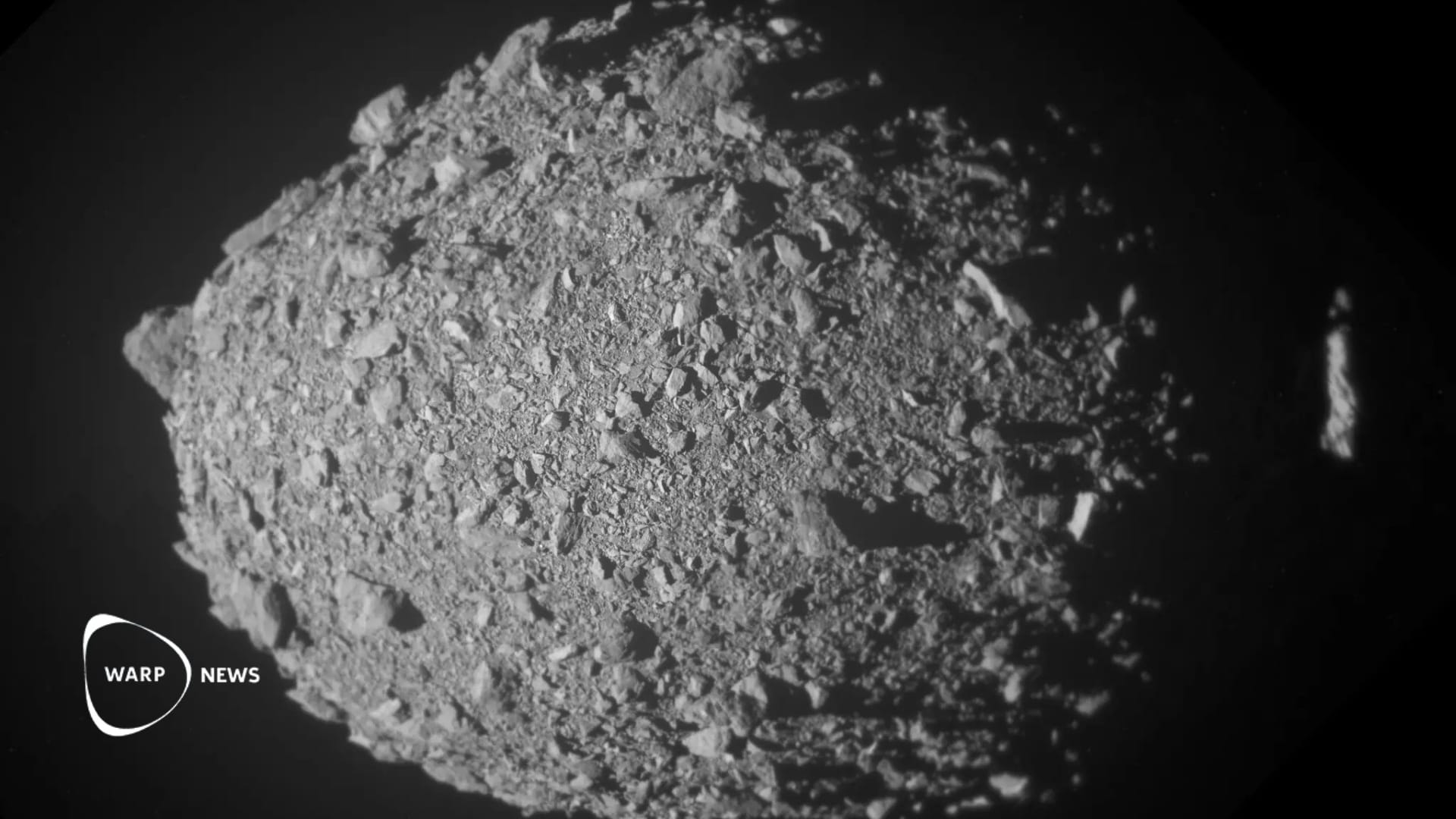
💫 Space collision altered asteroids' solar orbit – confirms that planetary defense works
NASA's deliberate space collision with the asteroid Dimorphos shifted the asteroid pair's orbit around the sun. It is the first time scientists have been able to measure such a change, confirming that the technique works for deflecting dangerous asteroids.

🛰️ Jeff Bezos' Blue Origin launches satellite network to compete with Elon Musk's Starlink
Blue Origin plans to launch 5,408 satellites for a new communications network called TeraWave. The network will be able to deliver data speeds of up to 6 terabits per second anywhere on Earth. The first satellites are scheduled to be placed in orbit during the fourth quarter of 2027.
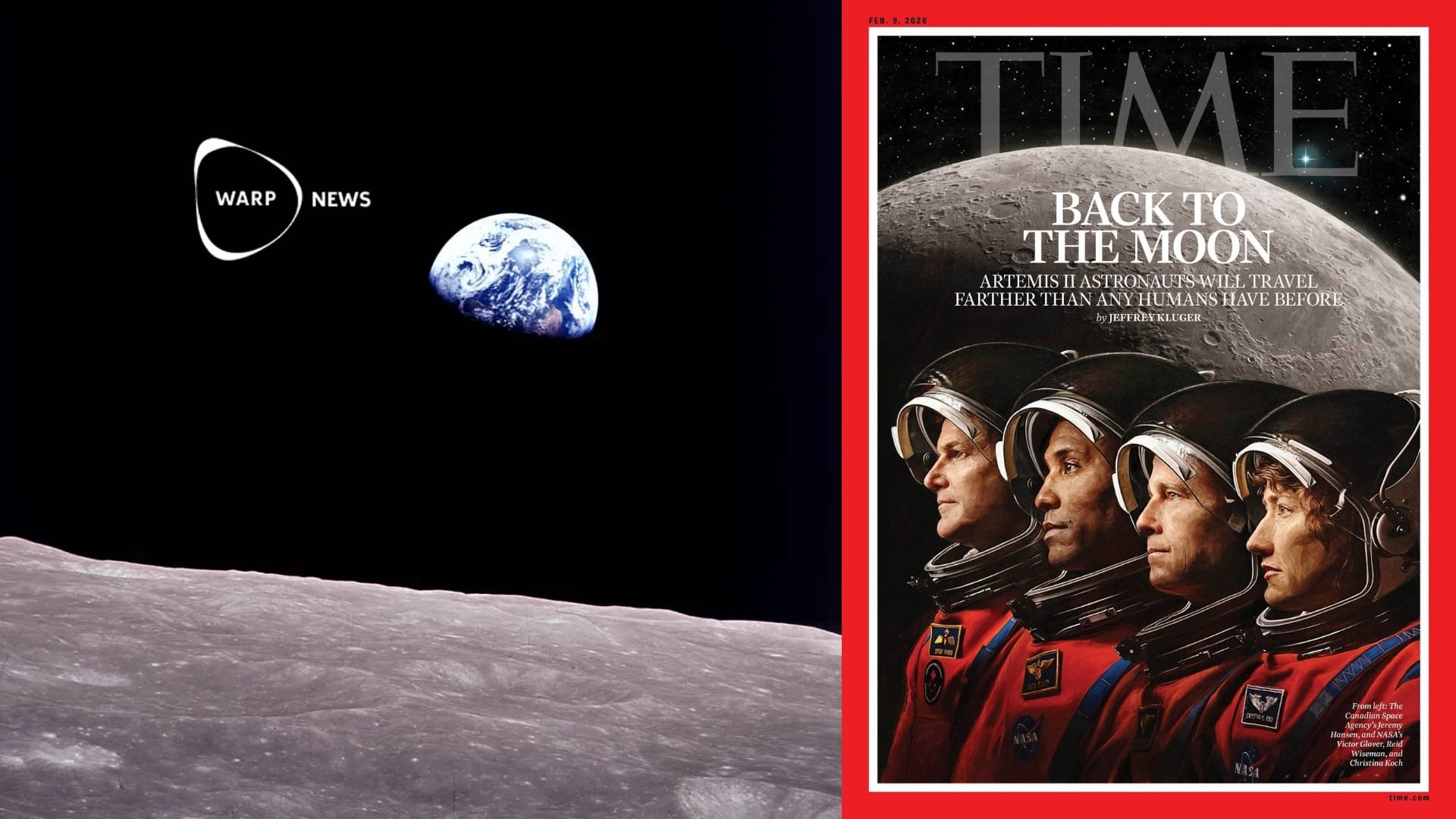
🌕 Finally, FINALLY, we’re heading back to the Moon (with the goal of staying)
This is Artemis II and an interview with Sweden’s first astronaut, Christer Fuglesang.

🔭 Google's former CEO is funding four new telescopes to be completed within four years
Eric and Wendy Schmidt are investing in building four large telescopes, including a space telescope that will rival Hubble. One of the telescopes, Argus Array, consists of 1,200 small telescopes that together can photograph the entire northern sky in a few minutes.
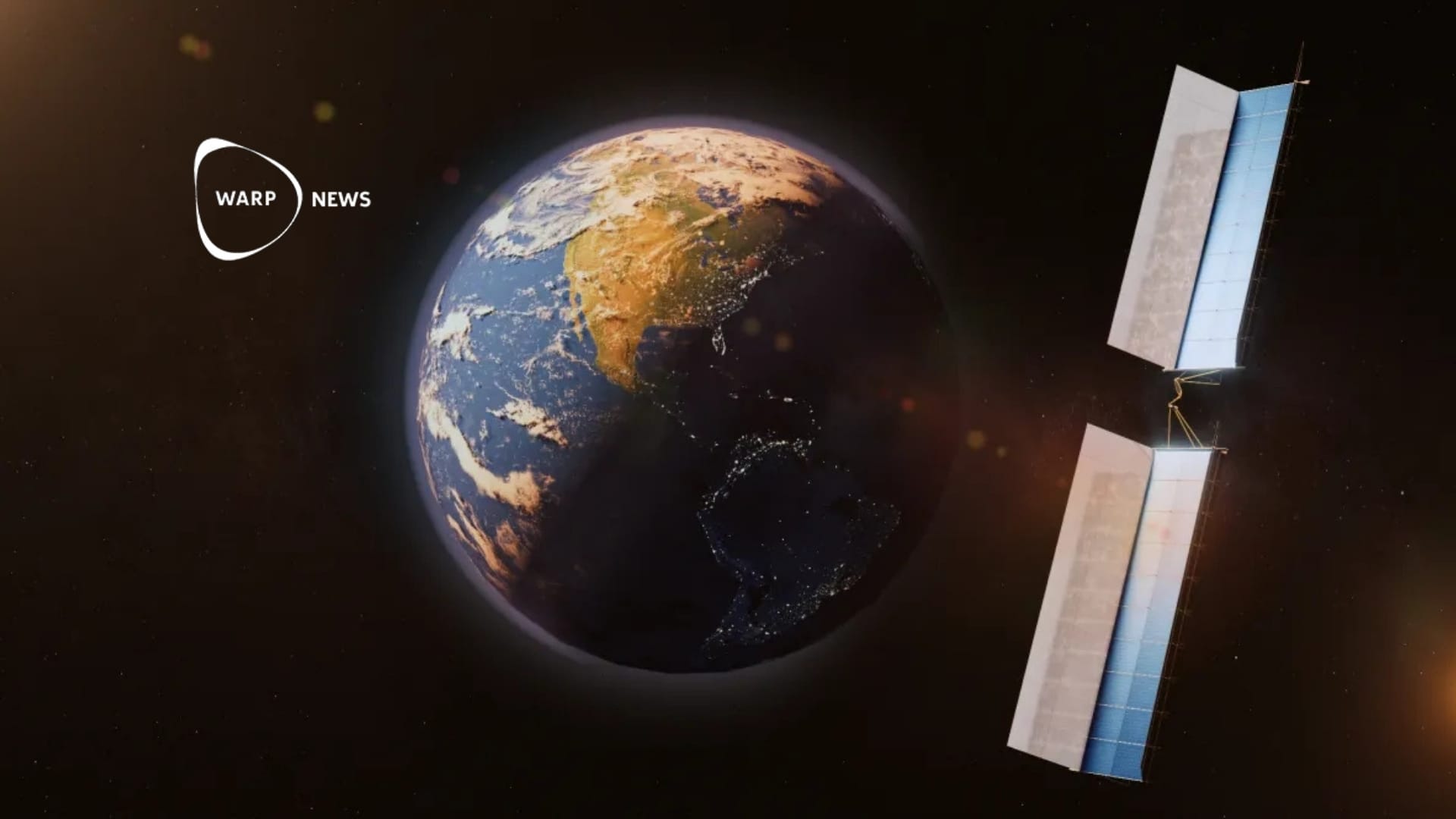
🛰️ Startup successfully transmits solar energy with laser from aircraft – a step toward space-based solar power
Overview Energy has tested transmitting thousands of watts from an aircraft to a ground-based receiver using near-infrared laser light. The technology makes it possible to deliver solar energy to existing ground-based solar facilities when the sun is not shining.
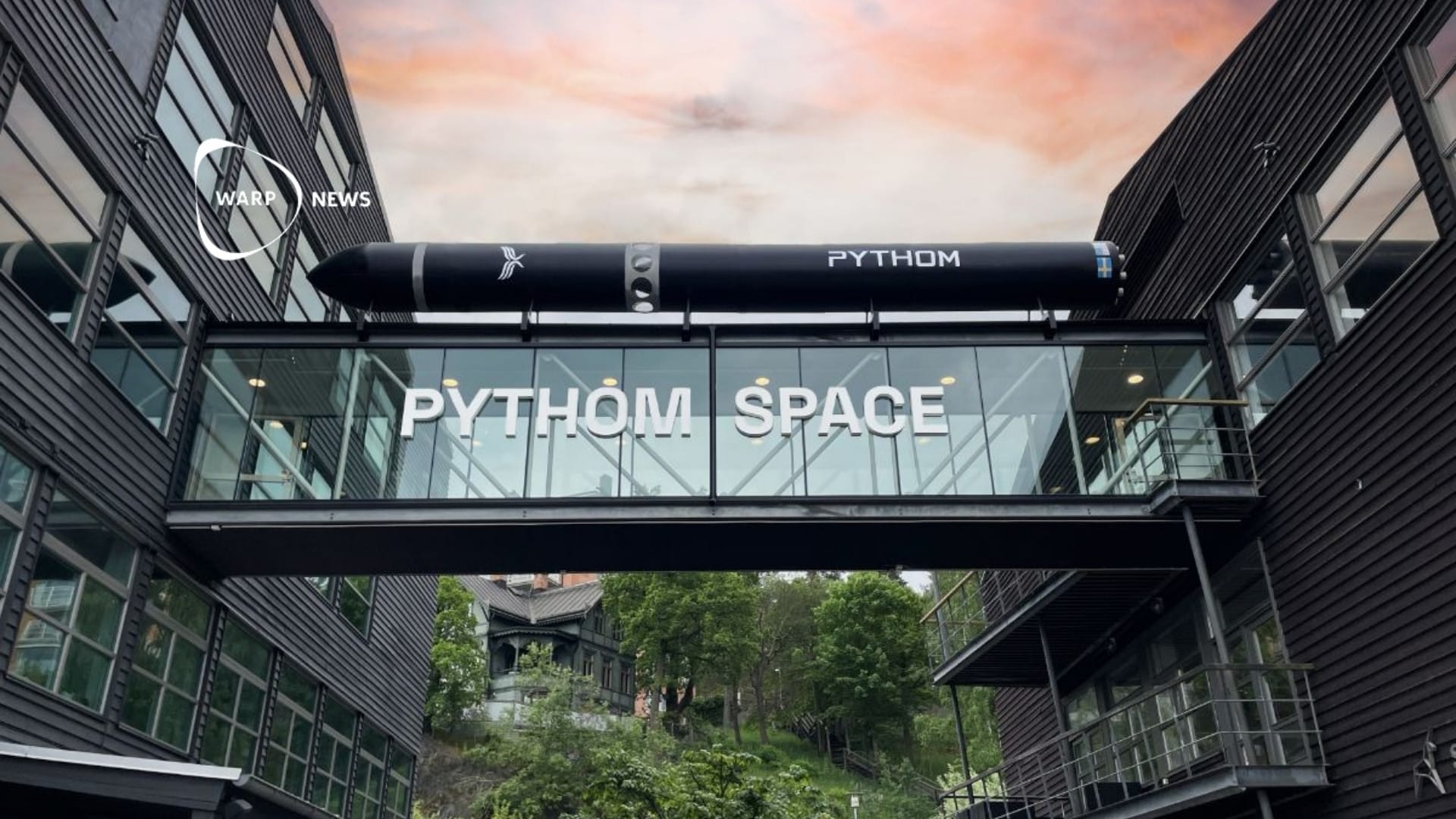
🚀 Saab invests 10 million dollars in Swedish space company, Pythom Space
Pythom was founded by Swedish explorers Tina and Tom Sjögren who have three records in the Guinness Book of Records. The company develops lightweight rockets that can be deployed quickly to make access to space more flexible and affordable.
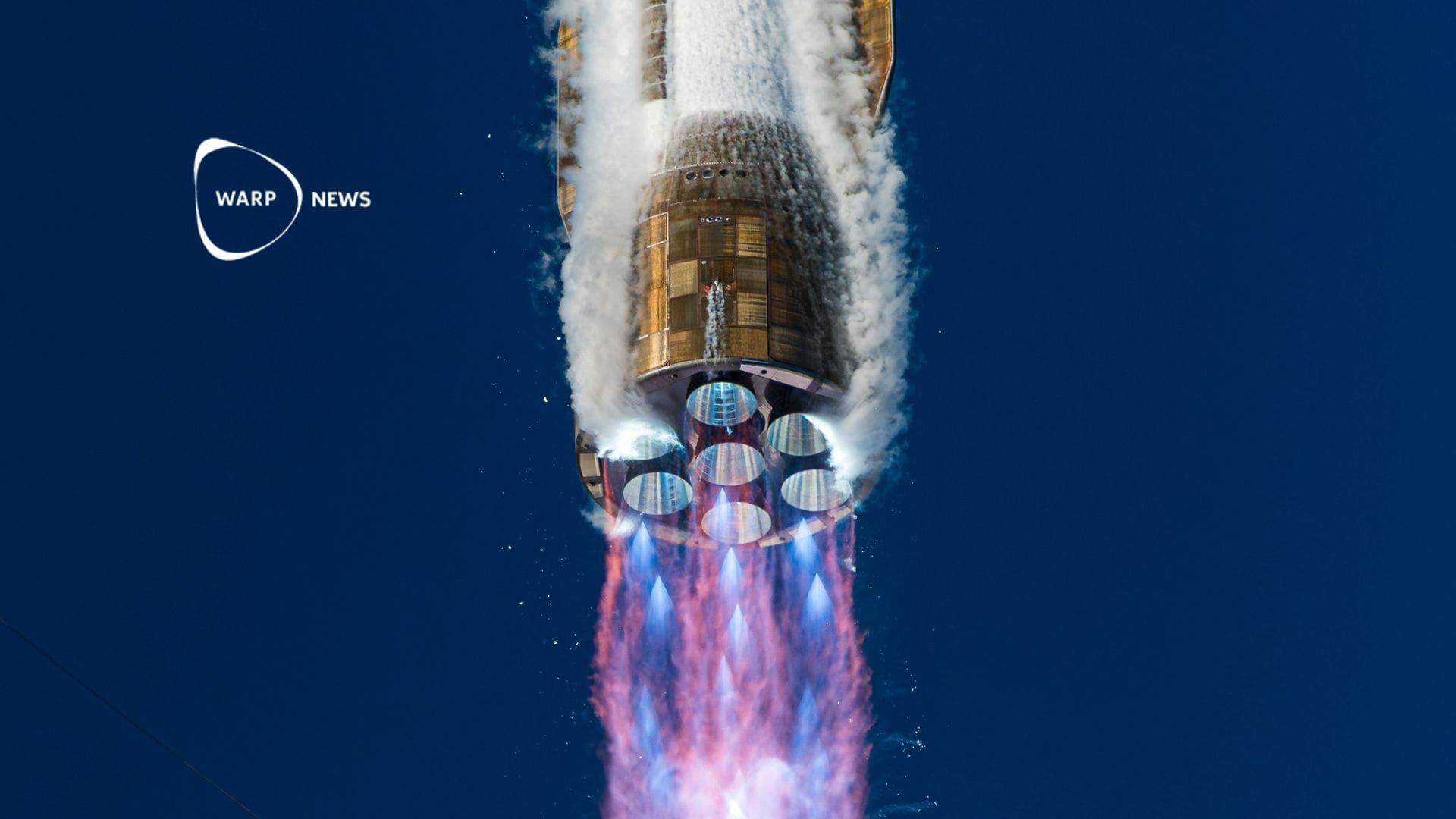
🚀 Blue Origin landed rocket at sea – second company in history after SpaceX
Blue Origin became the second company ever to land an orbital rocket on a platform at sea. The landing shows that reusable rockets are no longer unique to SpaceX, which increases competition in the space industry.
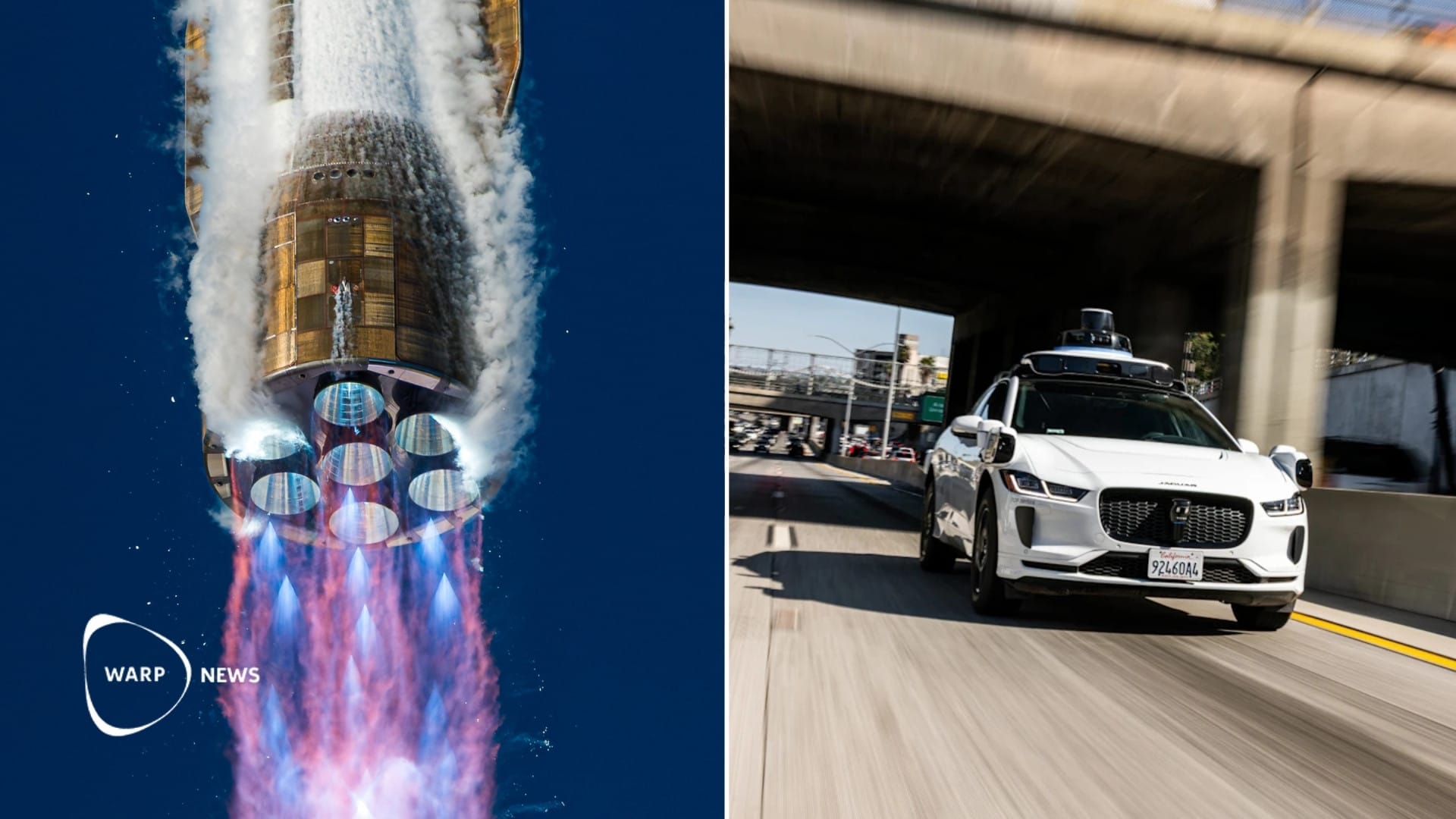
⏰ Now it’s happening – but no one notices
Last week, two things happened that mostly showed up as brief news items. Having followed both of these developments for years, I’m fascinated by how little attention they get. Each of them will, on its own, have a massive impact on our world.
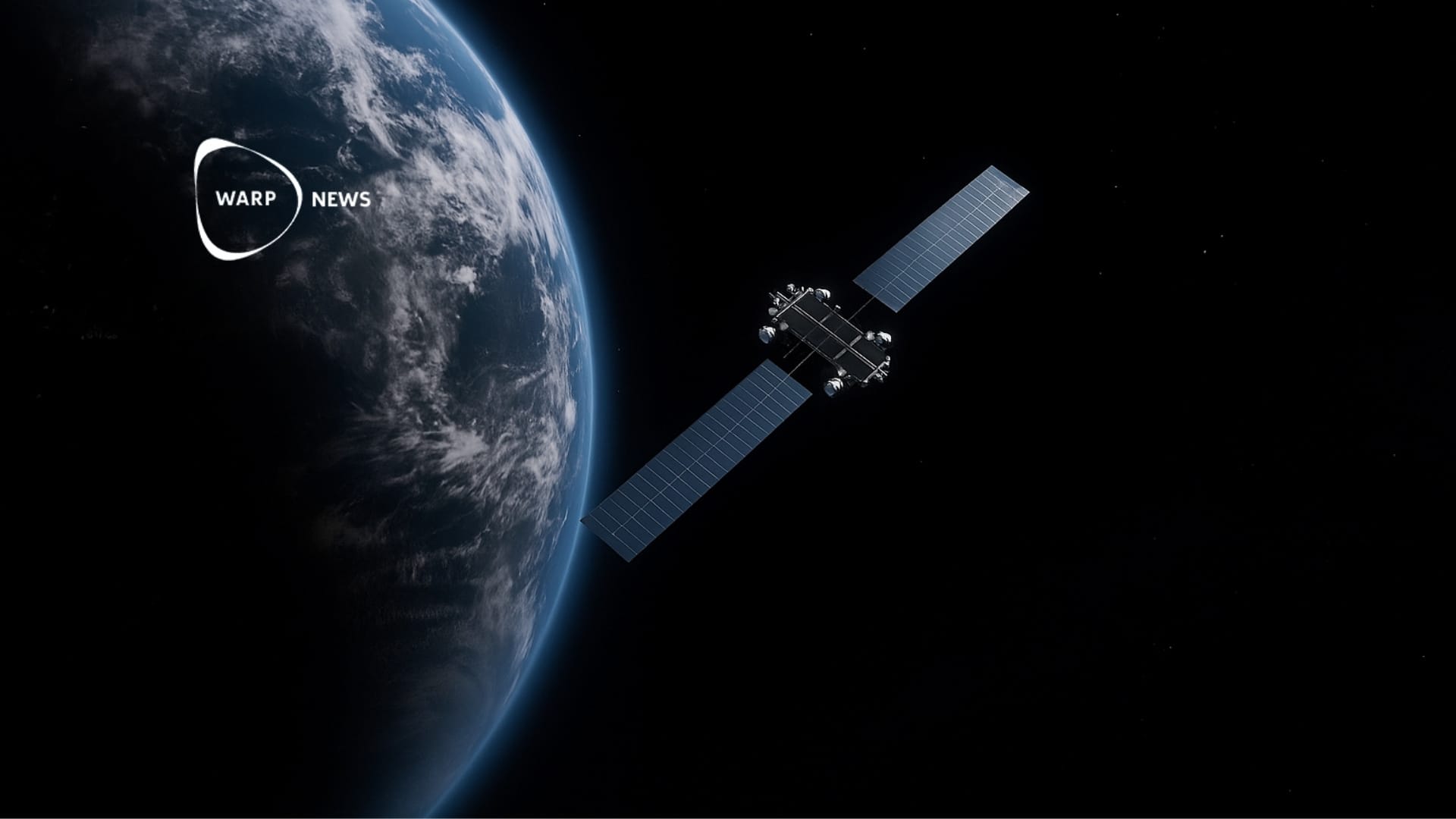
🛰️ SpaceX plans data centers in space
SpaceX will build data centers in space using upgraded Starlink satellites. Starlink V3 satellites will have a capacity of 1 Tbps, ten times more than current satellites. SpaceX can launch approximately 60 V3 satellites per Starship rocket starting in the first half of 2026.