


💡 Musings of The Angry Optimist: Doomsday talk and climate change
Does doomsday rhetoric about the climate work?

💡 Warp News #196
⚡ Fusion power breakthrough is repeated. 🌳 Deforestation in the Amazon rainforest has decreased. 💰 Fewer and fewer poor countries.
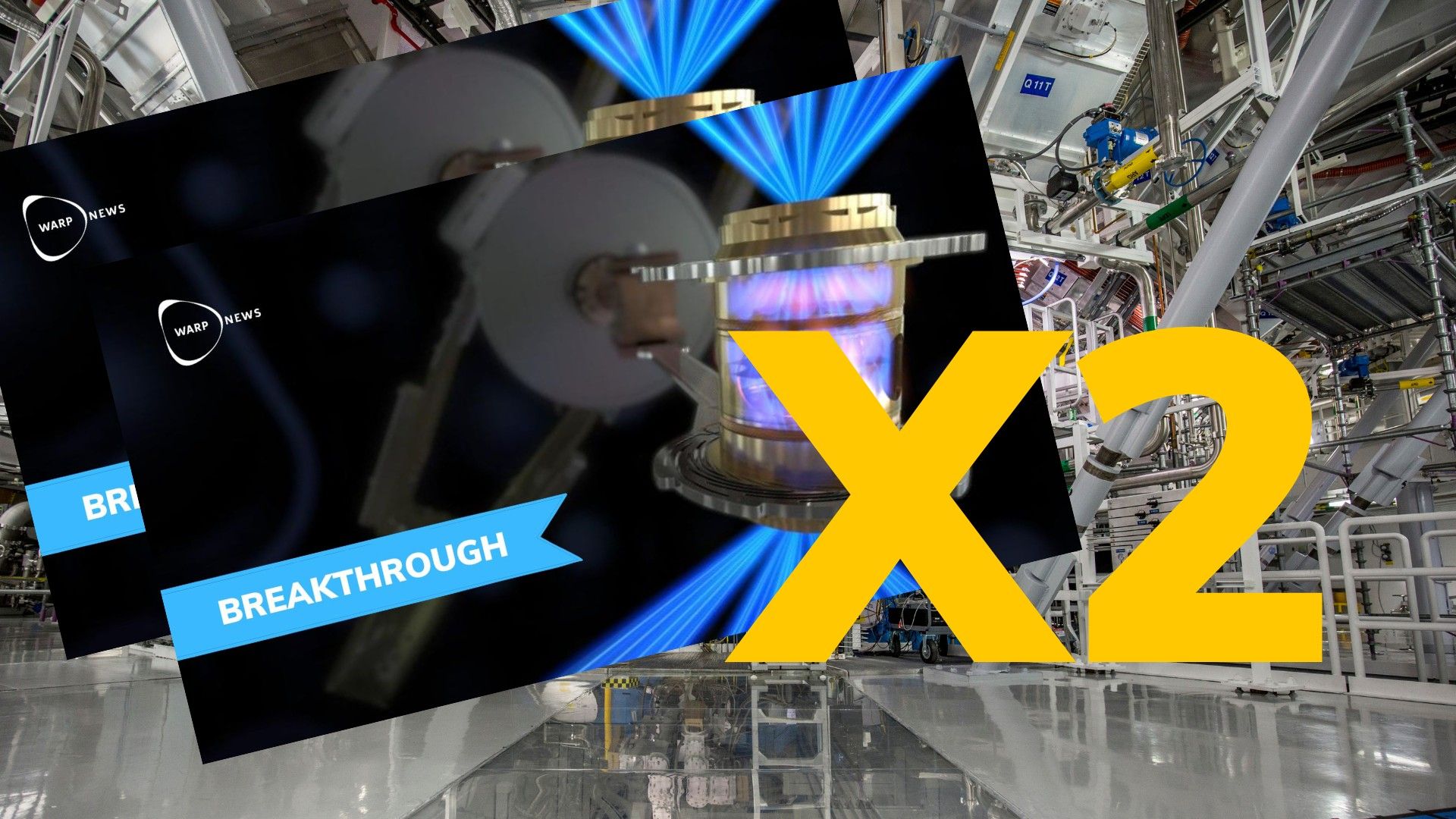
⚡ Fusion power breakthrough is repeated (now even more energy out than in)
US scientists achieve net energy gain in fusion reaction for the second time. The latest experiment produced more energy than the first one conducted last year.

💡 Optimist's Edge: The centaur's edge (how amateurs beat experts)
💡 Optimist's Edge: By becoming really good at using AI tools, amateurs can perform better than experts.
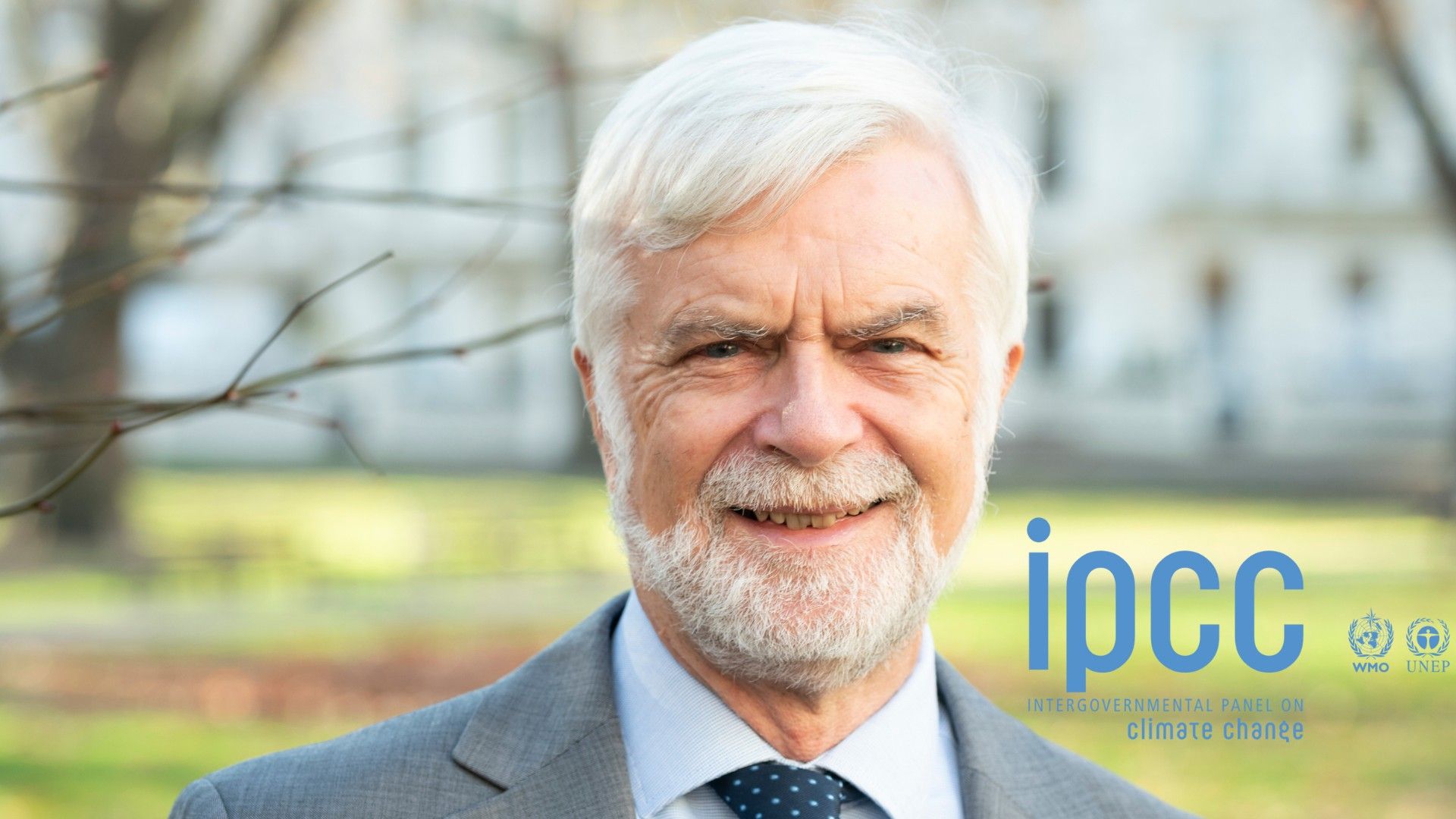
🌡️ New IPCC chairman: Talk of doomsday doesn't help in climate efforts
"If you constantly communicate the message that we are all doomed to extinction, then that paralyzes people", says the new chairman of the UN:s Intergovernmental Panel on Climate Change.

💡 Premium Supporter recap + fact-based optimistic news
🔥 Fewer fires in electric cars. 💉 18 million vaccine doses against malaria in Africa. 🌧️ Solar panels? No, RAIN panels. 🦾 OpenAI aims to solve AI alignment in four years.
💡 Musings of The Angry Optimist: How should one think about Elon Musk?
I discovered Elon Musk ten years ago and became obsessed. This is how my thoughts about him have changed since then.

💡 Warp News #195
🔥 Fewer fires in electric cars. 💉 18 million vaccine doses against malaria in Africa. 🌧️ Solar panels? No, RAIN panels. 🦾 OpenAI aims to solve AI alignment in four years.
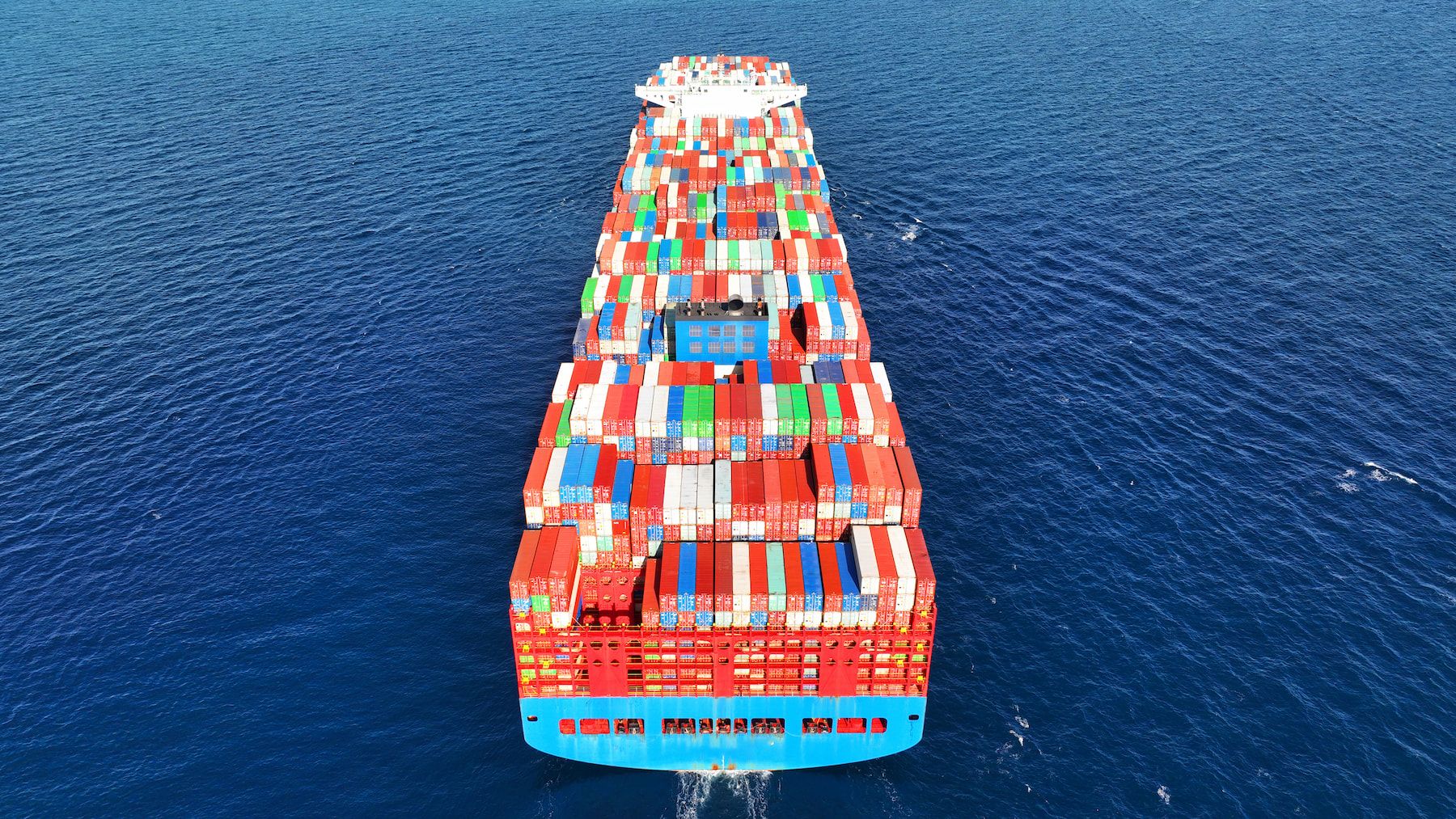
🚢 How a box and a truck driver made the world smaller and the global economy bigger
Loading a medium-sized ship with loose cargo cost $5.86 per ton in 1956. If you instead used containers for the cargo, the cost dropped to 16 cents. This breakthrough dramatically changed the world in the second half of the 20th century.